


A vehicle problem can occur without warning, whether you are commuting to work, leaving a restaurant, or travelling along a busy freeway. In that situation, finding a dependable 24-Hour Towing Service in San Diego can make the recovery process safer and easier to manage. The right provider should offer more than late-night availability; it should also use suitable equipment, communicate clearly, and explain the expected charges. San Diego drivers may encounter different towing challenges in coastal neighborhoods, parking structures, commercial areas, and major freeway corridors. Knowing what to check before authorizing a tow can help protect your vehicle and reduce confusion. A few practical questions can separate a reliable provider from one that may not be prepared for your situation.
Table of Contents
- Start by Confirming True 24-Hour Availability
- Check Whether the Company Has Suitable Towing Equipment
- Review Licensing, Insurance, and Operating Practices
- Compare Pricing Without Choosing on Cost Alone
- Consider Local Knowledge of San Diego Roads
- Prepare the Right Information Before Calling
- Frequently Asked Questions
- Conclusion
Start by Confirming True 24-Hour Availability
A towing company may advertise around-the-clock service, but drivers should confirm what that availability actually includes. Some providers answer calls at all hours but have limited trucks, operators, or service coverage overnight. Ask whether a truck can be dispatched to your current location and whether the provider handles your vehicle type at that time. It is also reasonable to request an estimated arrival window rather than accepting a vague statement that help is coming soon. Traffic, weather, active collision scenes, and the location of available trucks can all affect timing. A reliable dispatcher should explain these factors honestly rather than make an unrealistic promise.
Clear communication is especially important when a vehicle is stopped in an unfamiliar or unsafe location. The dispatcher should ask for the street, direction of travel, nearest exit, cross street, landmark, or parking level. Drivers near I-5 in Sorrento Valley may need to provide different access details than someone in a garage in University City. The company should also request a callback number in case the operator has trouble locating the vehicle. Accurate information allows the towing team to plan a safer route to the pickup point. It can also prevent delays caused by incomplete or incorrect directions.
Check Whether the Company Has Suitable Towing Equipment
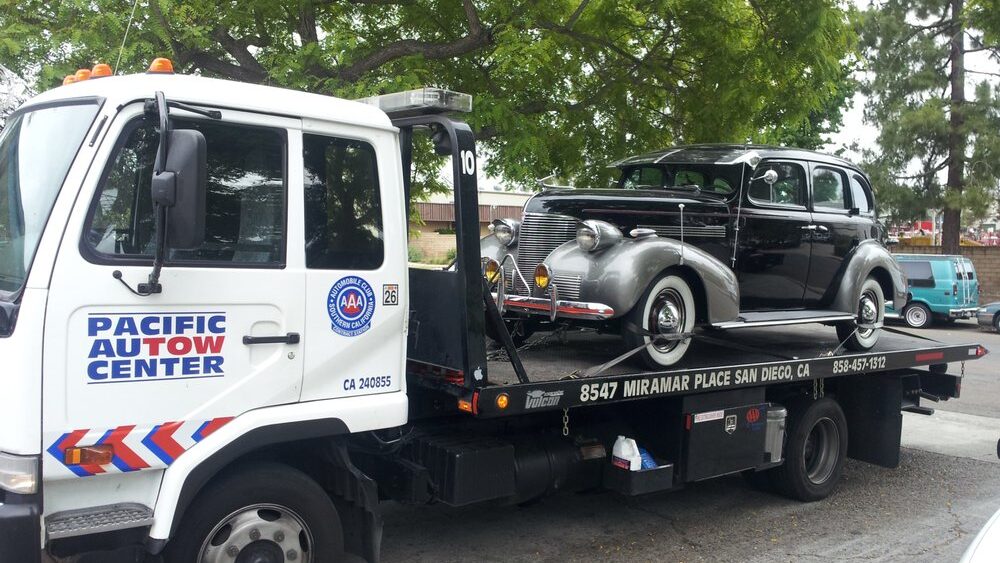
Not every tow truck is appropriate for every vehicle. Sedans, motorcycles, SUVs, minivans, small pickup trucks, electric vehicles, and low-clearance cars may require different equipment or loading methods. When selecting a 24-Hour Towing Service in San Diego, it is important to ensure the provider can match the right equipment to your vehicle’s needs. A flatbed carries the entire vehicle on a platform, while a wheel-lift truck raises one end, leaving the other wheels on the road. The proper choice depends on the drivetrain, vehicle condition, ground clearance, wheel position, and manufacturer guidance. Before dispatch, explain whether the vehicle can roll, steer, brake, or shift into neutral. This information helps the provider choose a truck capable of completing the tow without causing avoidable mechanical stress.
A vehicle damaged in a collision may require more than a basic hookup. Broken suspension parts, locked wheels, loose body panels, leaking fluids, or damaged steering can complicate loading. In these cases, accident recovery services may require a flatbed, winch, wheel skates, dollies, or additional safety equipment. The operator should inspect the vehicle before moving it and explain the planned loading method. Drivers should not attempt to reposition a badly damaged vehicle unless police or emergency personnel say it is safe. Careful recovery protects the driver, the operator, nearby traffic, and the vehicle itself.
Before confirming a towing request, ask about:
- The type of truck being dispatched
- Vehicle and weight compatibility
- The expected loading method
- The pickup and delivery locations
- Mileage and hookup charges
- Possible recovery or storage fees
Review Licensing, Insurance, and Operating Practices
A reliable towing provider should operate with appropriate licensing and insurance for the services it performs. Drivers should confirm that the company is fully insured and that its operators are trained to handle the specific vehicle being transported. The condition of the towing equipment is equally important, as worn straps, poorly maintained trucks, or improper attachment points can increase the risk of damage. Professional operators follow a consistent process for inspecting, loading, securing, transporting, and unloading vehicles with care. They should also be willing to answer practical questions clearly and professionally while offering round-the-clock availability whenever assistance is needed. These standards reflect expert service and demonstrate that the company treats towing as a specialized profession rather than a rushed transaction.
Documentation is another sign of an organized provider. Before loading, the operator may note visible dents, scratches, broken components, or collision damage. Photographs can provide a useful record of the vehicle’s condition at the pickup location. Drivers should also confirm the destination and request any available receipt, authorization form, or towing paperwork. This information may be important when dealing with a repair facility, storage yard, insurance company, or property owner. Keeping records is particularly helpful when the vehicle cannot be inspected immediately after delivery.
Compare Pricing Without Choosing on Cost Alone
Drivers naturally want to avoid paying more than necessary, but the lowest advertised amount may not reflect the complete cost. An expert towing service may quote only the initial hookup while excluding mileage, winching, difficult access, after-hours charges, storage, or special equipment. Ask for an estimated total and request an explanation of the factors that could change it. The dispatcher should identify whether the price is based on distance, vehicle type, pickup conditions, or destination. When possible, confirm the payment methods accepted before the truck arrives. Transparent pricing makes it easier to authorize the service with realistic expectations.
Drivers should also understand the difference between a minor roadside problem and a vehicle that requires transportation. Someone searching for the best roadside assistance service may only need help with a dead battery, a flat tire, an empty fuel tank, or a lockout. However, towing is usually more appropriate when the vehicle has serious mechanical damage or cannot be driven safely. Describe the symptoms accurately and allow the dispatcher to determine what equipment may be necessary. Sending a service vehicle for a problem that actually requires towing can create additional delays. A careful provider will ask questions before deciding how to respond.
Consider Local Knowledge of San Diego Roads
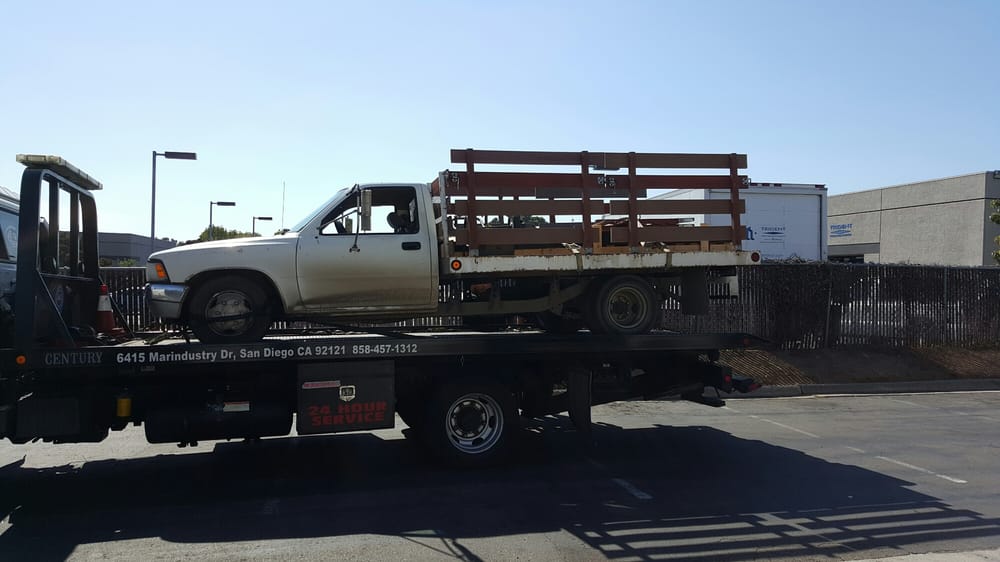
Local familiarity is valuable because San Diego includes major freeways, busy commercial districts, coastal roads, hills, gated communities, and restricted parking areas. An operator responding near Miramar or Mira Mesa may need to navigate I-15 traffic, while a call from La Jolla or Torrey Pines may involve narrow streets and limited loading space. I-805, Kearny Mesa, Clairemont, Carmel Valley, and Rancho Peñasquitos each present different access and traffic considerations. A company familiar with these areas may be better prepared to discuss realistic routes and pickup challenges. Local knowledge cannot eliminate congestion, but it can support more effective planning. Drivers should still provide precise directions rather than relying only on GPS.
Parking structures deserve special attention because some tow trucks cannot enter areas with low height clearance. Tell the dispatcher whether the vehicle is underground, on an upper level, behind a gate, or positioned in a narrow space. Property managers or security personnel may need to provide access before the operator arrives. Readers planning a visit can get location here for directions and choose the most convenient route to the service location.. Sharing access details in advance helps the provider select suitable equipment and reduces the chance of a failed pickup attempt. It also helps drivers understand whether the vehicle must first be moved to a more accessible loading area.
Prepare the Right Information Before Calling
Drivers searching for car recovery services near me often make calls while stressed, but taking a moment to organize key details can improve the response. Be ready to provide the vehicle’s make, model, body style, color, approximate year, and current condition. Explain whether the keys are available and whether any wheels are locked, missing, turned sharply, or visibly damaged. The dispatcher also needs the exact pickup point and intended delivery destination. Mention trailers, modified suspension, low ground clearance, collision damage, or an electric drivetrain. These details allow the towing provider to assign equipment more accurately.
For information about professional towing options for passenger vehicles in San Diego, Pacific Autow Center outlines several types of vehicles that may be transported. Drivers should still confirm the correct truck, estimated charges, and delivery destination for their individual situation. While waiting, move to a safer location when possible and avoid standing between the disabled vehicle and moving traffic. Collect essential belongings such as identification, medication, keys, electronics, and garage remotes only when it is safe. Contact the repair shop, dealership, residence, or storage facility to make sure the destination can receive the vehicle.
Frequently Asked Questions
What should I ask before hiring a towing company?
Ask about availability, equipment, estimated arrival, pricing, insurance, and the destination. Describe the vehicle and its condition clearly so the dispatcher can choose an appropriate truck. You should also ask about possible additional fees before approving the tow.
How do I know whether my vehicle needs a flatbed?
A flatbed may be appropriate for heavily damaged, low-clearance, all-wheel-drive, electric, classic, or specialty vehicles. It may also be needed when the wheels cannot roll safely. The towing provider should assess the vehicle and follow manufacturer guidance when choosing the method.
Can towing companies respond anywhere in San Diego?
Service coverage varies by company, truck availability, traffic, and the type of recovery required. Confirm that the provider can reach your exact neighborhood, freeway location, parking structure, or private property. Precise location details help the operator plan access.
What does 24-hour roadside help usually include?
Providers offering 24 hour roadside assistance in San Diego may handle services such as jump-starts, tire changes, fuel delivery, or lockouts. Availability differs, and some vehicle problems cannot be resolved at the roadside. A tow may be necessary when the vehicle cannot be operated safely.
What should I do while waiting for the tow truck?
Move away from active traffic when it is safe and follow instructions from police or highway personnel. Keep your phone available in case the operator needs help finding you. Avoid attempting repairs in a dangerous roadside position.
Looking for dependable towing backed by experienced professionals? Contact us to learn more about our vehicle transport solutions, get clear information, and receive reliable assistance whenever you need trusted support.
Conclusion
Finding a dependable towing provider requires more than choosing the first number shown in a search result. Drivers should confirm availability, truck compatibility, insurance, operating practices, pricing, and access to the pickup location. Clear communication helps the dispatcher understand the vehicle’s condition and send suitable equipment. These checks can make an unexpected breakdown or collision easier to manage.
A reliable 24 hour towing service near you should provide realistic expectations, careful vehicle handling, and transparent information before the tow begins. Local familiarity is also useful around I-5, I-805, I-15, coastal communities, and busy commercial neighborhoods. Pacific Autow Center is one option for drivers who need vehicle transportation in the San Diego area. Taking a few minutes to ask the right questions can help protect both the vehicle and the driver’s time.


